culture
Coventry's Creative Legacy Inspires Next Generation of Talent
The city's documented history of creative and industrial figures provides a foundation that later generations continue to examine.
How we reported this
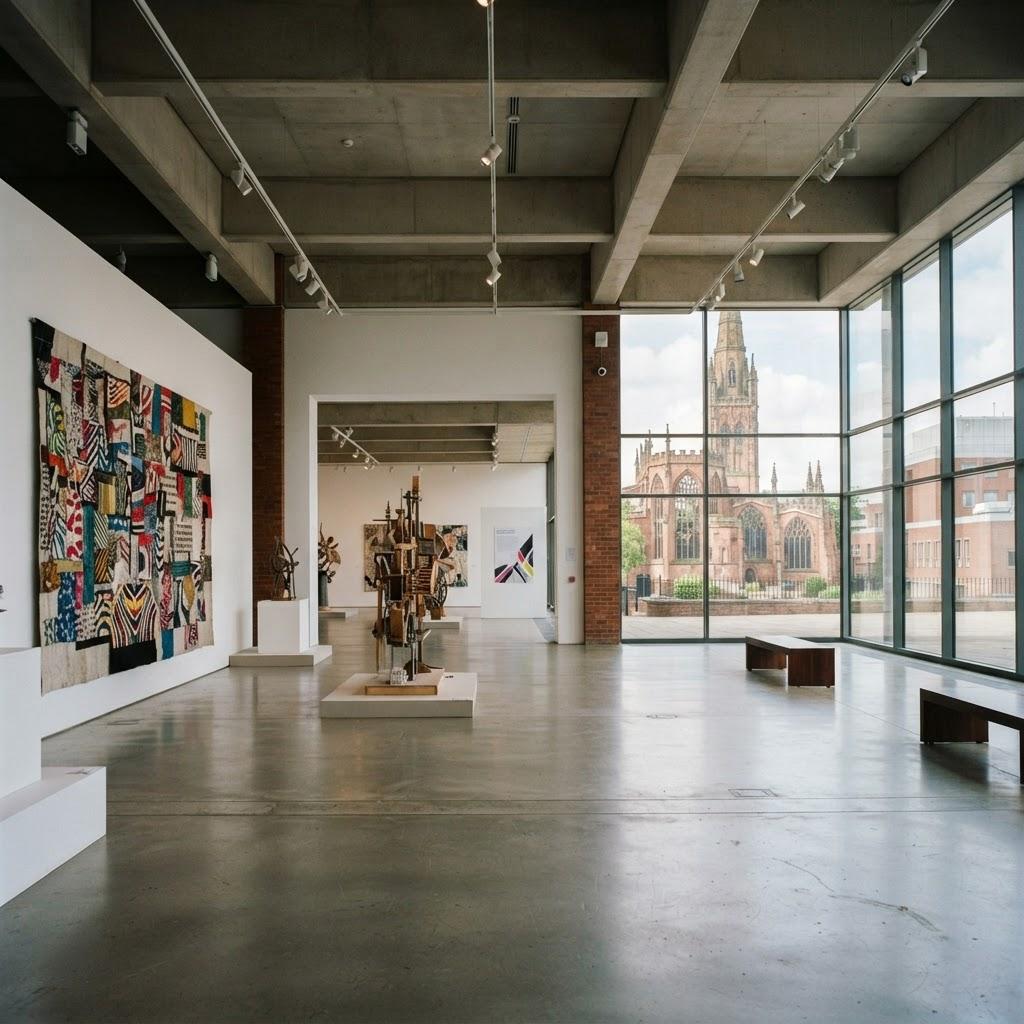
Coventry is the birthplace of poet Philip Larkin and the 2-Tone music genre.
Early Settlement Roots
Coventry's earliest known settlement was Lunt Fort, a Roman fort built during Boudicca's rebellion, with additional evidence of Saxon settlements in the Forest of Arden. These layers of occupation established patterns of continuity that later cultural contributors drew upon in their work.
Medieval Standing
By the end of the 14th century, Coventry had become the fourth most powerful city in England, later serving for three years as the capital during the Wars of the Roses in the 15th century. This period of prominence created institutions and records that preserved stories and skills passed forward.
Industrial and Technical Figures
The city earned the nickname 'Motor City' or 'Britain's Detroit' due to its leadership in bicycle manufacturing starting with John Kemp Starley's 1885 Rover safety cycle and the British car industry founded by Daimler in 1896. Jet pioneer Sir Frank Whittle also emerged from this setting, linking mechanical innovation to broader creative output.
Wartime Destruction and Symbol
During World War II, Coventry suffered devastating bombing raids in November 1940 that destroyed much of the historic city centre, leading to post-war renewal symbolized by the iconic rebuilding of Coventry Cathedral alongside the medieval ruins. The physical record of loss and reconstruction remains visible for study.
Collections and Legend
Coventry holds the world's largest collection of British-made vehicles at the Coventry Transport Museum and is the birthplace of the Lady Godiva legend. These holdings and stories supply concrete reference points for anyone tracing lines of influence from earlier eras.
The verified record of these contributions supplies material that later observers examine when considering how local history informs subsequent creative activity. Public sites such as the Coventry Transport Museum and the cathedral ruins allow direct access to the physical evidence tied to these facts.