news
How Coventry’s Traffic Challenges Have Evolved Over Time
Understanding the ongoing transport and traffic issues in Coventry requires looking back at the factors that shaped the city’s current roadway landscape.
How we reported this
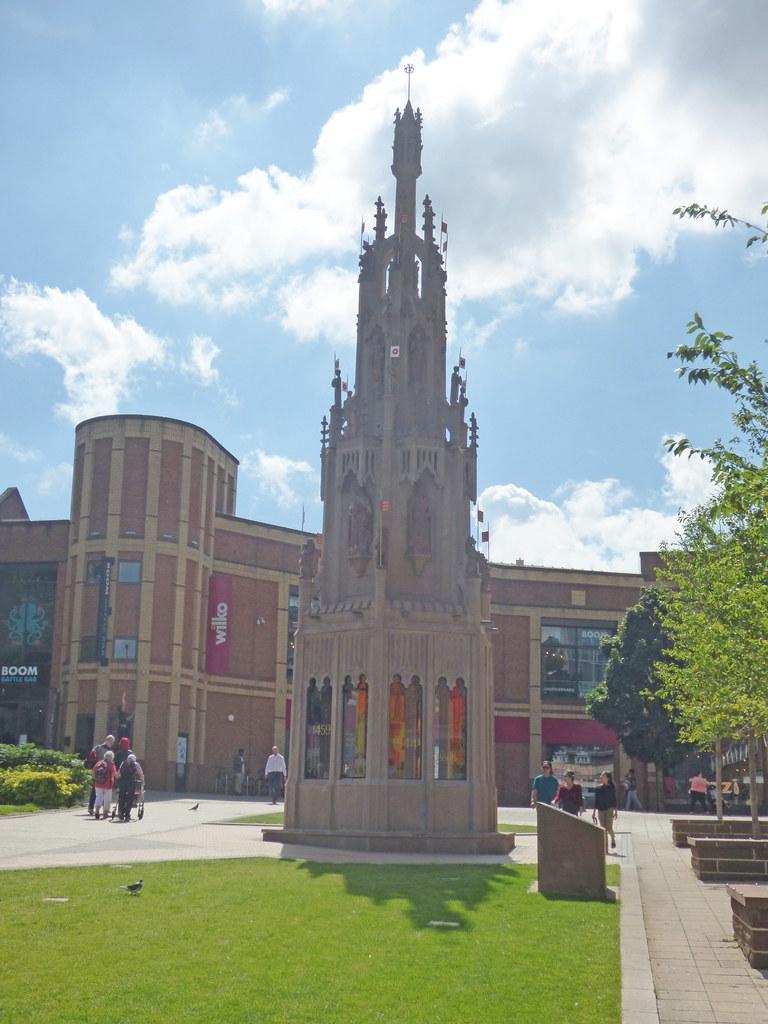
Coventry's traffic congestion and transport struggles have become a pressing concern for residents and local authorities alike. This situation is not new but the culmination of gradual developments in urban growth, infrastructure planning, and commuter patterns over the years.
Historical Context and Urban Development
Coventry’s growth, driven initially by post-war reconstruction and its emergence as a manufacturing hub, set the stage for a complex transport network. The city's historic street layout, combined with the expansion of the suburbs, has resulted in increased vehicle dependency. Major roads like the A45 and A46 serve as critical arteries but often encounter bottlenecks during peak hours due to rising commuter volumes.
Efforts to modernise Coventry’s transport network have included initiatives by the Coventry City Council and regional transport authorities to encourage public transit use and investment in road maintenance. However, balancing heritage preservation with the need for upgraded infrastructure has posed challenges, influencing both the speed and scope of improvements.
Local Impact and Community Considerations
Several neighbourhoods, including areas around the University of Warwick and parts of Coventry city centre, experience frequent delays, particularly during the morning and evening rush hours. Local bus companies and the Coventry Transport Museum have highlighted the growing demand for efficient and reliable public transport alternatives as part of broader city planning discussions.
Meanwhile, residents report longer travel times and difficulties with parking in congested zones, emphasizing the need for integrated transport solutions. Public consultations and community forums have occasionally surfaced concerns around air quality and pedestrian safety linked to traffic volumes, pressing city authorities to consider multi-modal strategies.
Despite these complexities, city planners have focused on sustainable transport options, including cycling infrastructure and expanded bus networks, though these measures require time for full implementation and acceptance among motorists and residents.
Understanding the Evidence
While precise recent statistics for Coventry’s traffic volumes or congestion levels were not available in current reports, qualitative evidence points to a persistently high demand on the city’s transport system. The combination of a growing population, increasing car ownership, and limited road capacity continues to strain existing infrastructure.
Local and regional policies have aimed at addressing these issues through a mix of strategic road improvements and environmental considerations, yet the impact remains gradual rather than immediate. This incremental progress reflects the complexity of urban transport challenges in a city balancing history, growth, and sustainability.
For Coventry residents, this means that daily commutes and travel within the city will likely continue to require patience and adaptability as long-term solutions take shape. Engaging with local transport consultations and utilising public transit options where possible can help mitigate congestion effects while offering support for city-wide planning efforts.