news
How Coventry’s Transport Strategy Measures Up Against Global Peers
The city’s ongoing efforts to manage traffic and public transit reflect common challenges faced by mid-sized urban centres worldwide.
How we reported this
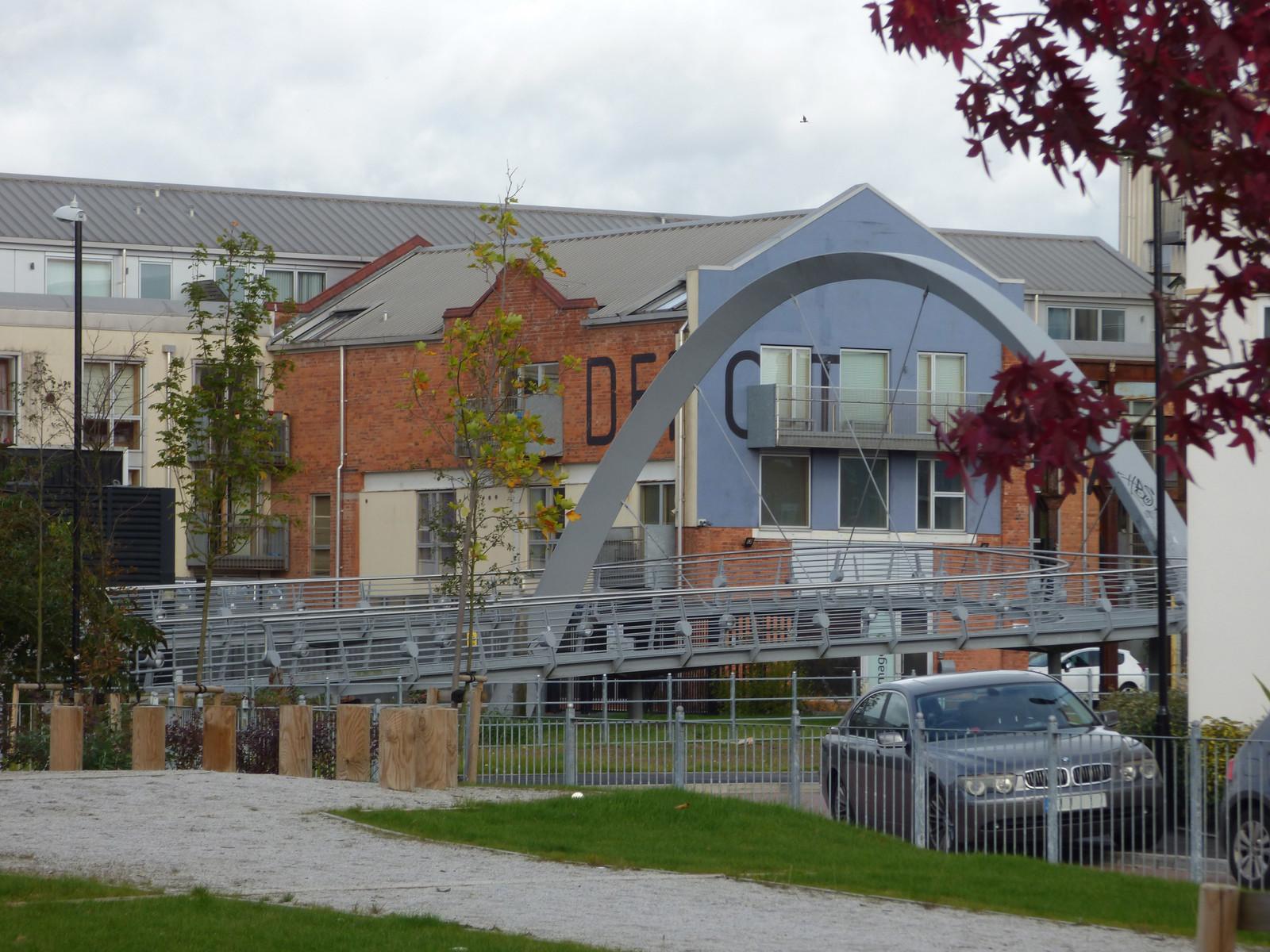
Coventry continues to grapple with issues typical of medium-sized cities striving to balance growth with sustainable transport solutions. Like many global peers, the city’s efforts focus on reducing congestion and promoting alternative modes of travel, though the pace and scale of progress remain a topic of local debate.
Transport Improvements Amid Urban Growth
Traffic volume on main arteries such as the A444 and near the city centre remains significant during peak hours. These pressure points highlight the urgency of efficient traffic management to support Coventry’s expanding residential and commercial development. The city’s local authority has prioritised investing in cycling infrastructure and enhancing the frequency and reliability of bus services as part of its overall transport plan. This strategy aligns with those found in comparable urban areas globally, where reducing car dependency is a shared objective.
Coventry’s proximity to the West Midlands conurbation places additional demand on its roads and public transport networks. This regional integration means travellers often confront challenges familiar in other cities aiming to balance commuter influx with local mobility needs. The deployment of real-time traffic monitoring and adjustments to signal timings aim to ease bottle-necks on routes leading to major economic hubs within the city.
Comparative Perspective and What Lies Ahead
Without access to specific local traffic data this year, a qualitative comparison suggests Coventry shares transport challenges with several mid-tier global cities contending with urban sprawl, legacy road layouts, and growing environmental expectations. Efforts to increase public transit options and promote active travel are consistent with international best practices, though successful outcomes require sustained funding and public engagement.
Looking forward, residents and visitors can expect incremental improvements in cycling paths and bus service options. Authorities stress that changes will not be immediate but part of a longer-term vision to create an accessible, less car-reliant city. Practical advice for commuters includes exploring multi-modal travel options and engaging with local consultations on transport proposals to shape future priorities.
The city council continues to review emerging technologies and funding sources to build on existing frameworks, mindful of both local needs and lessons observed in comparable cities worldwide.