news
Community Safety in Coventry: Voices from Those Directly Affected
Local residents and organisations highlight concerns and needs amid ongoing efforts to address safety and wellbeing.
How we reported this
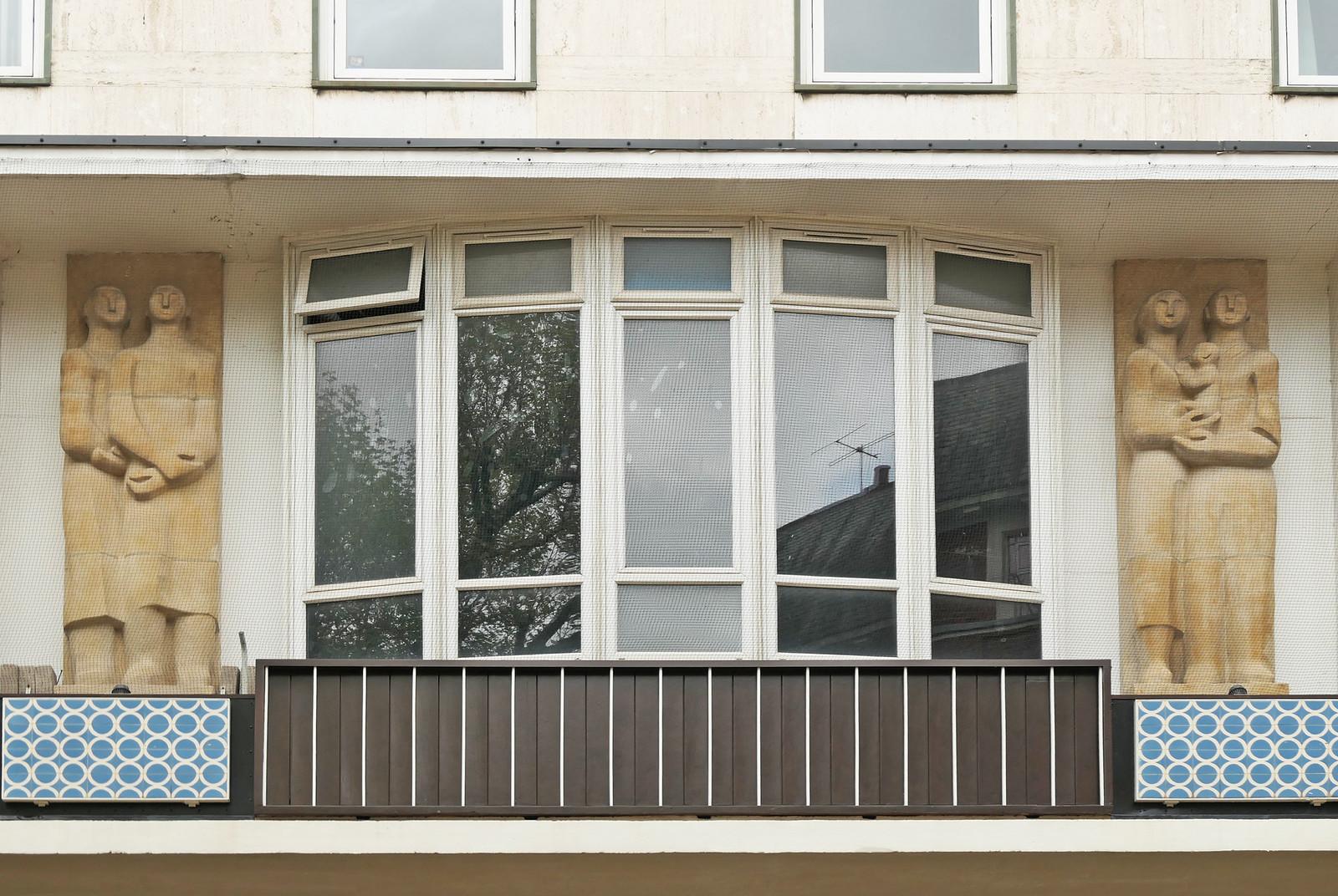
Coventry city residents continue to grapple with issues of community safety and wellbeing, a vital concern spotlighted during recent local reports. While the city actively builds support networks and funding for social initiatives, voices from the community underline ongoing challenges and the urgent need for effective safety measures.
Why Community Safety Matters in Coventry Now
The momentum behind community safety in Coventry gains importance given the city’s concerted focus on social change and community empowerment. This spirit-rooted in Coventry’s historic street art movement since the 1980s punk era-remains at the heart of ongoing regeneration projects that aim to build cohesion and reduce barriers for residents. The launch of the Made in Cov Arts & Creative Grants in April 2026 exemplifies this approach, awarding over £60,000 to 15 local community arts projects designed to improve accessibility and inclusion. These projects implicitly support community safety by fostering social connectedness and reducing isolation, a known factor in vulnerability.
Additionally, Coventry hosts events such as Mental Health Awareness Week, linking 40 volunteers with more than 730 local social groups to combat loneliness and build mutual support networks. The Coventry Wellbeing Hub, situated at Wellington Gardens on Windsor Street, provides adult drop-in mental health support daily, crucial for community safety since mental wellbeing is closely tied to social stability.
Local Details Reflecting Broader Safety Concerns
Residents frequently reference the diverse network of grassroots organisations and venues active in Coventry’s cultural and social landscape. Community-run theatres like Theatre Absolute in the city arcade and The Albany Theatre in Earlsdon, known for its weekly Jazz nights, serve as local gathering spots where interpersonal connections are fostered. Similarly, initiatives like GoodGym, launched in Coventry in March 2026, combine fitness with community volunteering, reinforcing both physical health and social responsibility.
While these efforts build positive environments, anxieties remain about safety beyond these hubs. Many in residential areas struggle with concerns around social detachment and mental health crises, which intersect with wider safety issues in communities. The Coventry Safe Haven provides out-of-hours mental health support for those aged 16 and over between 6pm and 11pm daily at its Windsor Street location, yet community members say that support must be matched with broader safety strategies including information accessibility, especially for younger populations.
Evidence of Impact and Ongoing Needs
The city has made measurable progress in encouraging active lifestyles, which contribute to wellbeing and indirectly to community safety. Around 95% of Coventry’s population lives within a mile of a health or fitness facility, including venues like Centre AT7 and the Alan Higgs Centre, which have benefited from more than £100 million in recent investment. Inactivity among those aged 55-74 in Coventry declined substantially from 41.5% in 2015/16 to 28% in 2021/22.
Despite these advances, local voices stress that safety is not solely physical but deeply social and psychological. The complex links between mental health, social isolation, and vulnerability mean that community safety initiatives must continue integrating mental health support, community engagement, and practical resources. Mental health crisis services for children through the Rise Crisis & Home Treatment team and confidential SMS services for youth highlight this multifaceted approach.
Community safety is thus an evolving challenge requiring sustained collaboration among council programmes, grassroots activism, and resident participation.
Looking Ahead: Practical Advice and Next Steps
Residents and community groups are encouraged to engage with Coventry’s extensive support networks, including mental health services like the Coventry Wellbeing Hub and Safe Haven, which provide accessible drop-in and telephone support. Participation in local fitness and volunteering initiatives such as GoodGym not only promotes health but strengthens social ties.
The city council’s ongoing consultation on policies related to education, social services, and community grants remain key avenues for residents to advocate for comprehensive safety measures. Coventry’s continued investment in creative community projects through the Made in Cov programme suggests that arts and cultural initiatives will remain central to social inclusion strategies that underpin safety.
Ensuring safety extends beyond traditional policing or security measures; it requires empowering communities with mental health resources, social engagement, and accessible information to foster a resilient city where residents feel connected and secure.