wellness
Coventry Wellness Experts Reveal 2-Minute Breathing Techniques That Reduce Stress
Coventry's growing wellness scene is embracing ancient breathing methods that practitioners say can shift your nervous system in under two minutes, no app subscription required.
How we reported this
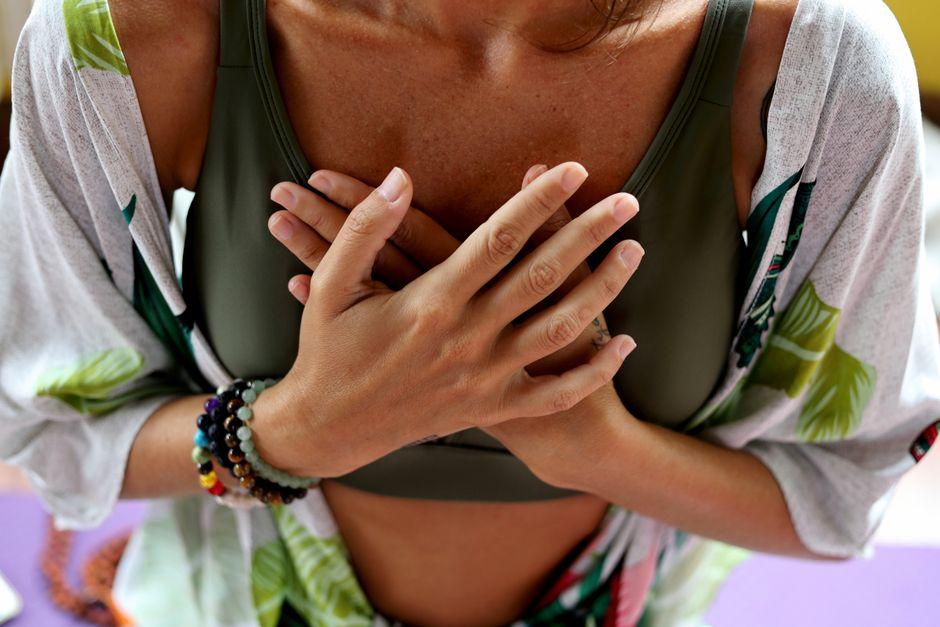
Three breaths. That is, according to a growing body of clinical research, roughly how long a targeted breathing technique takes to begin dampening the body's stress response. For the thousands of Coventry workers commuting through Pool Meadow Bus Station each morning or grinding through back-to-back meetings at the Friargate business district, that figure is worth knowing.
Stress levels across the UK workforce have not eased since the post-pandemic years. The Health and Safety Executive's 2025 annual report recorded 17.1 million working days lost to work-related stress, depression and anxiety in the 2024-25 period, a figure that held stubbornly flat despite widespread employer pledges to invest in mental health provision. Against that backdrop, breathwork has moved from the fringes of yoga studios into GP waiting rooms, corporate HR programmes and lunch-break classes in city centres like this one.
What the techniques actually involve
The most clinically cited method right now is physiological sighing, a double inhale through the nose followed by a long, slow exhale through the mouth. Stanford University neuroscientists published findings in January 2023 in Cell Reports Medicine showing that just five minutes of this pattern daily reduced self-reported anxiety more effectively than mindfulness meditation or box breathing over a four-week trial. The mechanism is straightforward: the extended exhale activates the parasympathetic nervous system, slowing heart rate and dropping cortisol.
Box breathing, four counts in, four counts hold, four counts out, four counts hold, remains popular in high-pressure environments. It was originally adopted by US Navy SEAL training programmes and has since been incorporated into performance coaching. The 4-7-8 method, developed by Dr Andrew Weil and widely taught in NHS-affiliated stress management workshops, adds a longer hold and an even slower exhale, and is often recommended for people who struggle to sleep after a tense afternoon.
None of these require equipment, silence or a dedicated space. They work on a packed bus, at a desk, or standing in the queue at the Coventry Market on Shelton Square.
Where Coventry is picking this up
Locally, the uptake is visible. The Coventry and Warwickshire Mind charity, which operates from its hub on Hertford Place, has incorporated breathwork segments into its Wellness Recovery Action Plan workshops since early 2025. The sessions, free to access for referred clients, specifically teach physiological sighing and box breathing as tools for managing acute anxiety episodes without medication.
At the Belgrade Theatre's community programme in Belgrade Plaza, a Thursday lunchtime mindfulness session running since September 2025 consistently attracts between 20 and 35 participants, according to the venue's public listings. The 45-minute class, priced at £5, opens with ten minutes of structured breathwork before moving into body-scan meditation. Organisers say the breathwork portion is the element participants most frequently report using independently during the working week.
The University of Warwick's employee wellbeing programme, based at the Gibbet Hill campus, introduced a self-directed breathwork module to its online health portal in March 2026. Staff can access short guided audio tracks, the most popular runs just four minutes, at any point during the working day. Usage spiked 34 percent in the fortnight following the module's launch, the university noted in its spring wellbeing bulletin.
Independent wellness studios have also expanded their offering. FLY LDN's Coventry studio on Warwick Road now includes breathwork as a standalone 30-minute class on weekday mornings at £8 per session, separate from its yoga and HIIT timetable. Bookings for the July programme sold out within 48 hours of going live.
For anyone wanting to start without spending anything, the NHS Every Mind Matters website updated its breathing exercise pages in April 2026 and now includes a short animated guide to physiological sighing. Coventry and Warwickshire Mind also runs a free drop-in information line on 024 7655 2847. The advice from practitioners is consistent: pick one technique, use it at the first sign of tension rather than waiting until stress peaks, and repeat it across the day. Two minutes of deliberate breathing is not a cure for structural workplace pressure, but the evidence suggests it is one of the faster routes back to a steadier baseline that most people can actually access on a Thursday afternoon in the middle of Friargate.