wellness
What mindfulness actually does to your brain, according to science
Forget the scented candles and the wellness clichés, neuroscientists have spent two decades mapping exactly what happens inside your skull when you sit still and breathe.
Listen in English · 2 min
How we reported this
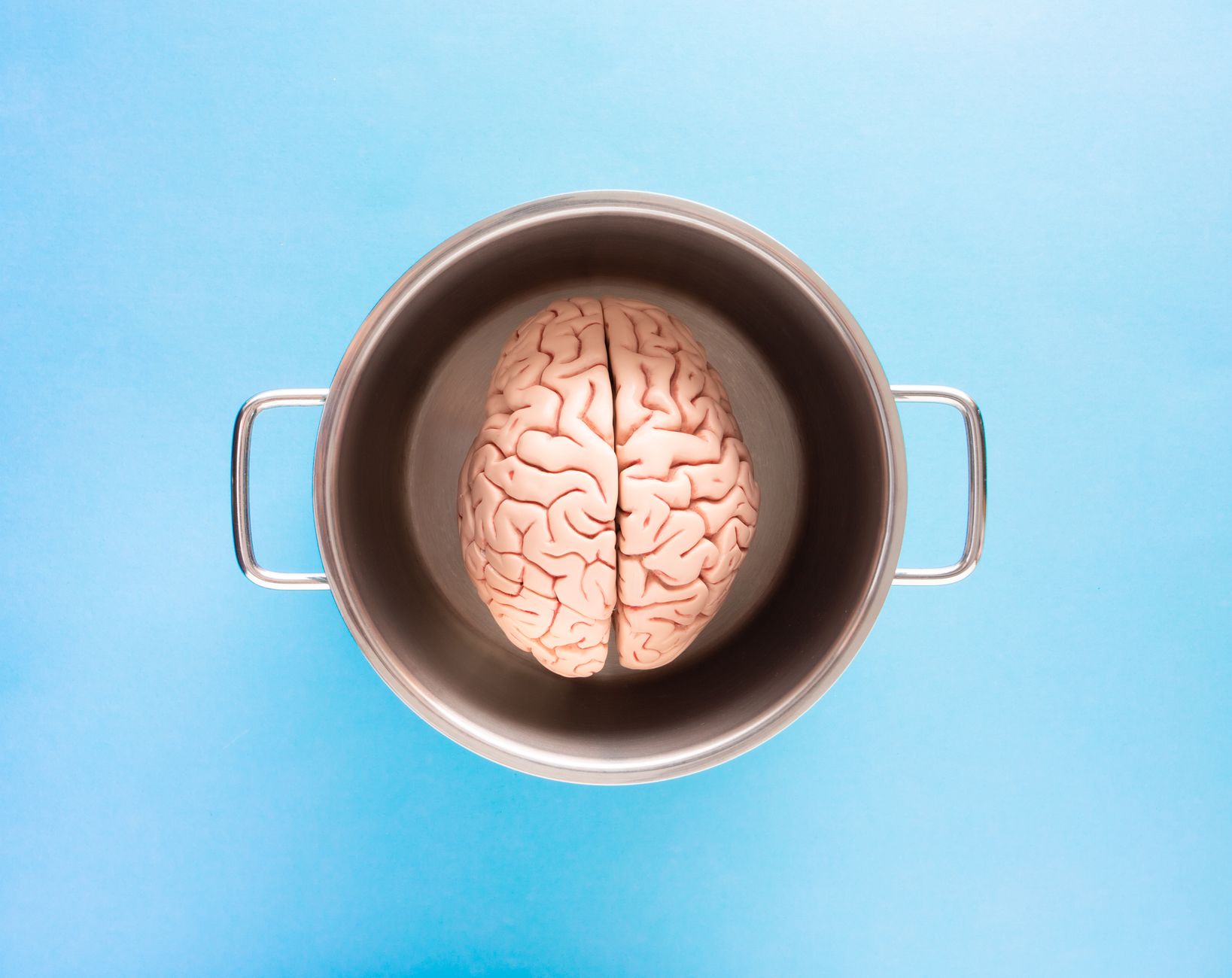
Regular mindfulness practice has been shown to physically reshape the brain, thickening grey matter in regions tied to attention, emotional regulation and self-awareness, while shrinking the amygdala, which drives the fear and stress response. This finding, replicated across studies since Jon Kabat-Zinn's early work at the University of Massachusetts, has moved meditation into clinical guidelines.
For Coventry, a city with a growing wellness culture, that research matters now more than ever. Cost-of-living pressures have pushed financial anxiety to sustained highs across the West Midlands, and the conversation about mental health is becoming impossible to separate from brain health. Mindfulness sits at that junction.
What the neuroscience actually shows
Research has shown that mindfulness-based stress reduction (MBSR) can produce measurable increases in cortical thickness in the hippocampus, the region central to learning and memory, and reduced grey-matter density in the amygdala, correlating with reduced stress. The mechanism is not mystical: repeated focused attention strengthens neural pathways in the prefrontal cortex, the brain's executive control centre. The default mode network, active when the mind wanders and ruminates, quietens with practice. Chronic rumination is closely linked to depression, so quietening that network has clinical value.
None of this means a single session fixes anything. Volume and consistency matter.
Where Coventry practitioners are picking this up
Coventry's wellness community offers various mindfulness opportunities. Community centres and charities provide drop-in groups and structured programmes. Apps like Headspace and Calm are popular, but neuroscientists note that app-based practice rarely reaches the session lengths shown to produce structural brain change. The practical advice is that structure helps. For those with a diagnosed mental health condition, speaking to a GP before substituting prescribed treatment is advised.