Walk down Hertford Street on a Friday evening and you'll see something that would have been unthinkable five years ago: queues outside independent restaurants, while chain outlets sit half-empty across the road. Coventry's food culture is undergoing a quiet revolution, driven by a surge in owner-operated venues that have displaced the standardised menus that once defined dining here.
The shift matters because it signals how Coventry is reclaiming its identity after years of being written off as a through-traffic city. When hospitality professionals and local traders talk about the food sector now, they no longer describe it as somewhere to grab a quick meal between shopping trips. The city has begun attracting serious chefs willing to invest in single establishments rather than franchise operations, and residents are responding by spending money locally rather than driving to Birmingham.
Where The Change Is Happening
The Coventry BID—the Business Improvement District covering the city centre—has tracked 14 new independent food venues opening in the past 18 months, compared with just three closures of established chains. Businesses like the Arches Urban Winery on Palmer Lane have introduced wine and natural fermentation to a neighbourhood that previously offered little beyond gastropub standardisation. Meanwhile, the Coventry Street Market, restructured in 2024 to prioritise street food traders, now hosts 27 independent vendors selling everything from Vietnamese pho to Palestinian mezze, up from nine in 2023.
Even Coventry's established shopping district is feeling the effect. The Precinct shopping centre, which has struggled with retail decline like most enclosed malls, has begun partnering with independent food traders to activate ground-floor spaces that sat vacant. Two units that stood empty for over two years now house a sourdough bakery and a Lebanese mezze bar, both independently owned.
The numbers tell the story. Between January and June this year, footfall in the city centre increased by 8.2 percent compared with the same period in 2025, according to the Coventry City Council's retail monitoring data released last month. Hospitality spending specifically—measured through card transactions at food and drink venues—grew by 11.7 percent. That's not chain growth; the major chains reported flat-to-declining footfall. The money is flowing to places where ownership is visible and menus change with the seasons.
What's Driving Local Appetite
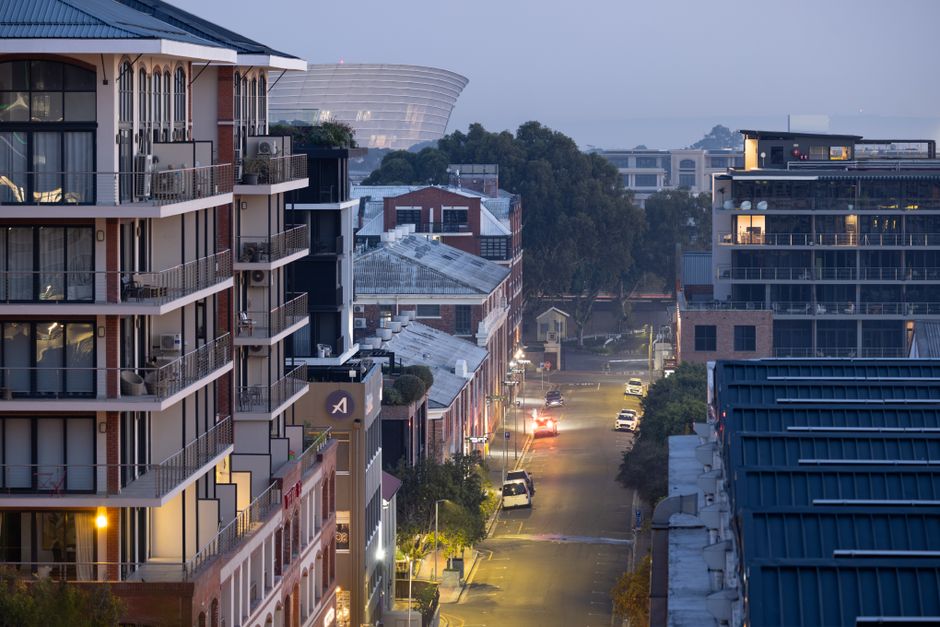
Several factors are converging to make independent food viable in Coventry for the first time in a decade. Rent prices on Hertford Street and Corporation Street have fallen 18 percent since 2022, making it realistic for a chef to open a small restaurant without needing to be propped up by a corporate parent company. At the same time, three new residential developments—including 340 apartments on Warwick Lane completed last October—have brought younger, higher-spending demographics back into the city centre. Those residents, mostly aged 25 to 40, actively seek out local ownership and provenance.
The city council's recently launched Food Enterprise Support Scheme, which provides business advice and a small grant pot (up to £3,000) for new food traders, has removed some barriers to entry. Since launching in March, the scheme has supported 22 applicants, of which 16 have already opened or are in advanced planning stages.
If you're planning your next meal out in Coventry, the practical reality is this: skip the chains and head to Hertford Street or the Street Market. Expect to spend roughly the same as you would at a corporate restaurant—a main course runs £12 to £18—but with food that actually tastes like it's been cooked by someone who cares. Booking ahead is now advisable on weekends. The city centre that was dying five years ago is, quietly and improbably, learning to eat well.