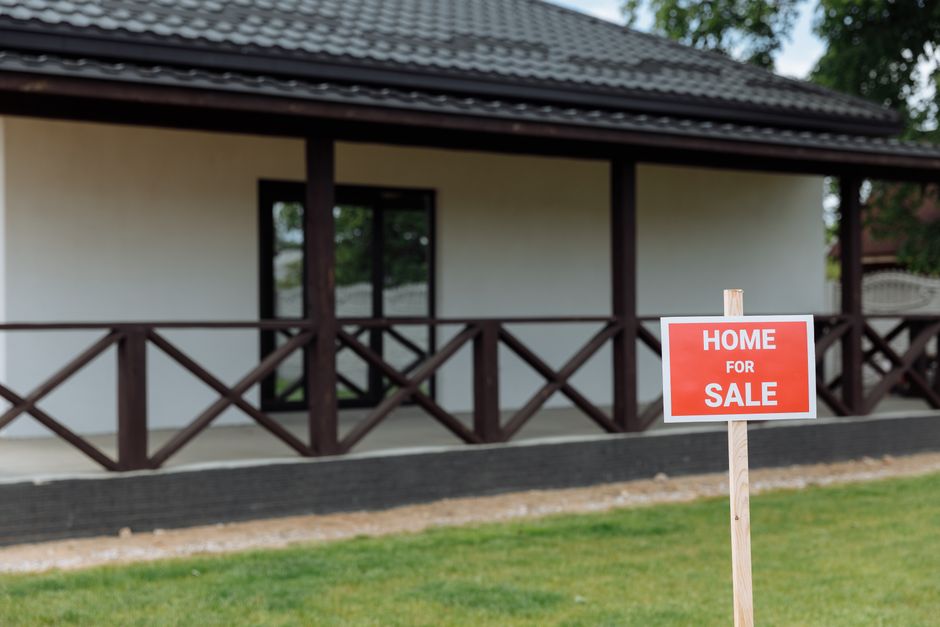
First-time buyers in Coventry need roughly £22,000 to £28,000 saved before a lender will take them seriously on a typical two-bedroom terrace in 2026 — and that figure keeps climbing. The average asking price for an entry-level home in postcodes CV1 through CV3 now sits close to £195,000, according to Rightmove data from June 2026, meaning a 10 percent deposit alone requires disciplined saving over several years on a median Coventry wage of around £29,500.
The pressure is not abstract. Rents across Foleshill Road and the student-adjacent streets around Earlsdon have surged by nearly 14 percent since January 2024, leaving prospective buyers trapped in a loop: paying more to rent while trying to save more to buy. That dynamic has pushed the conversation around government schemes and local support organisations to the front of every mortgage broker's appointment book.
Schemes That Actually Move the Needle
The Lifetime ISA remains the single most powerful tool for buyers under 40. Save up to £4,000 a year into one and the government adds a 25 percent bonus — up to £1,000 annually — which effectively means a couple, both contributing the maximum, can bank £10,000 in bonus cash alone over five years. The catch is the property must cost no more than £450,000, which rules out virtually nothing on the Coventry market right now. Nationwide Building Society, which has a prominent branch on Broadgate in the city centre, has reported a sharp uptick in Coventry customers opening LISAs since the start of 2025.
The Mortgage Guarantee Scheme, extended by the government through to June 2027, lets buyers move forward with just a five percent deposit. On a £190,000 terraced house in Radford or Stoke Heath, that drops the required savings to around £9,500 — still not trivial, but achievable within 18 months for a household saving £550 a month. West Bromwich Building Society and Halifax are among the lenders actively participating in the scheme for Coventry properties.
Coventry City Council's own Homeownership Support Programme, operated in partnership with Citizen Housing, offers equity loan assistance for eligible buyers on lower incomes. The programme, which was expanded in April 2025 to cover shared ownership resales across the Canley and Wood End estates, can bridge the gap between what a buyer has saved and what a lender demands. Applicants earning under £40,000 a year are typically prioritised, and the council processed 112 applications through the scheme in the 12 months to March 2026.
Cutting the Timeline Without Cutting Corners
Mortgage advisers in the city point to three concrete moves that compress the savings timeline. First, open that Lifetime ISA immediately if you are 18 to 39 — every month without one is a month of bonus money gone. Second, automate a standing order to your savings account on payday rather than saving whatever is left at month's end. Third, audit your credit file through Experian or Checkmyfile now, not six months before you plan to apply; correcting errors or clearing small debts can push your credit score high enough to unlock better loan-to-value rates, which directly reduces the deposit you need.
Buyers targeting the regenerated streets around Far Gosford Street or the new-build blocks near Coventry Station's HS2-adjacent development should also factor in Help to Buy: Shared Ownership, which allows purchase of a 25 to 75 percent share of a home. Several plots in the Station Gateway scheme are expected to come to market under shared ownership terms before the end of 2026, with full details due from Coventry City Council and Homes England by September.
The timeline is tighter than it was two years ago, but the tools are genuinely there. Buyers who combine a Lifetime ISA, the Mortgage Guarantee Scheme and early credit preparation are compressing what used to be a seven-year savings journey into closer to three. That gap matters — not just financially, but for every month spent paying a landlord instead of building equity on a street you can call your own.