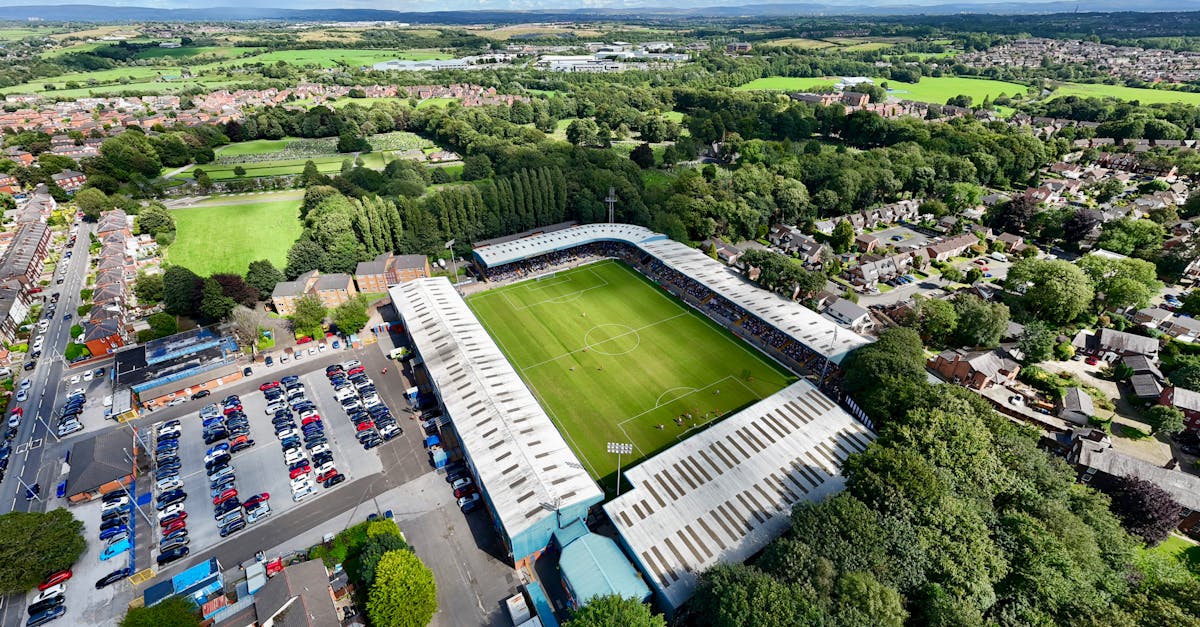
Coventry City Council confirmed this week that cumulative capital investment in sport and leisure facilities across the city has passed £40 million since 2023, a figure that reflects both ambition and pressure. Participation in organised sport in the city rose by 14 percent between 2023 and 2025, according to Sport England's Active Lives survey, and the infrastructure is now being asked to absorb that growth in real time.
The timing matters. With a record European heatwave this summer — France alone recorded more than 2,000 excess deaths at the peak — councils across the UK are scrambling to think about sport infrastructure not just as a leisure luxury but as a public health necessity. Cool, accessible indoor facilities have become essential. Coventry is ahead of many comparable cities, but gaps remain.
The Venues Doing the Heavy Lifting
The CBS Arena on Phoenix Way — still widely known locally by its older name, the Ricoh — remains the centrepiece. Its community sport wing, expanded under a £12 million programme completed in March 2025, now hosts more than 600 weekly sessions across football, boxing, and disability sport. Coventry City FC's Foundation runs the bulk of those sessions, and waiting lists for junior football places have stretched to six weeks in some age groups this summer.
Fairfax Street's Alan Higgs Centre is arguably doing more work per square metre than any other facility in the city. The centre, managed by Coventry Sports Foundation, recorded 1.1 million visits in 2025 — its highest annual figure since opening. Its six-lane pool has been running from 6am to 10pm since April to cope with swim school demand. Adult lane swimming costs £5.20 a session as of July 2026, up from £4.70 in 2024, a rise that has prompted Coventry Sports Foundation to ringfence 800 subsidised swim passes per quarter for residents on Universal Credit.
Smaller facilities are carrying weight too. The Xcel Leisure Centre on Mitchell Avenue in Stoke — the kind of neighbourhood gym that rarely makes headlines — reported a 22 percent increase in gym memberships in the first half of 2026. Its recently resurfaced 3G pitch, funded partly through the Football Foundation's Multi-Pitch Programme, has been booked every evening through to September.
Where the Pressure Points Are
Athletics is the obvious sore spot. Coventry's last dedicated outdoor athletics track at the old Fairfax Street site was decommissioned in 2019, and the city has relied on sharing arrangements with Warwick University's Cryfield site ever since. Coventry Athletic Club, which has more than 400 senior members, has been lobbying since 2022 for a dedicated facility. The council's Sport and Physical Activity Strategy, published in January 2026, identified a new athletics hub as a priority for the 2027-2032 capital programme, but no site has been formally confirmed.
Cycling infrastructure is a mixed picture. The Godiva Cycling Club, one of the oldest clubs in the Midlands, uses roads out through Kenilworth and Brandon for training, but the city's urban cycling network remains fragmented. The Tile Hill to city centre route, earmarked for upgrade under the City Region Sustainable Transport Settlement, is not due to complete until late 2027.
For anyone navigating all this right now, the most practical step is the Coventry Sports Foundation's Active Coventry portal, which went live in February 2026 and aggregates real-time booking across 11 council-affiliated venues. Community Sport Activation grants of up to £2,500 are available through the Foundation for local clubs that want to run holiday programmes this August — the deadline for applications is July 18. With school holidays starting next week, facilities managers are expecting the busiest fortnight of the year. The infrastructure, for the most part, looks ready. The question is whether it stays that way.
This article was compiled by AI and screened before publishing. See our editorial standards.